We build secure foundations for complex construction projects.
Wayss & Freytag is active throughout Europe in foundation engineering - a field that requires the highest technical precision and in-depth geological understanding. Whether large inner-city projects, infrastructure measures or industrial plants: our special foundation engineering solutions create the basis for safe, durable and economically efficient structures.
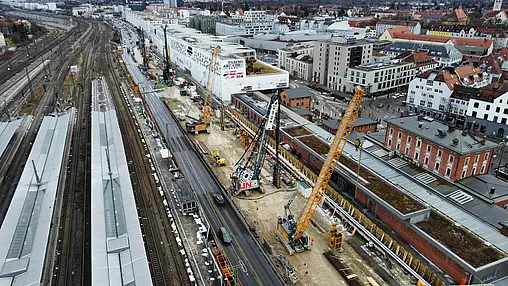
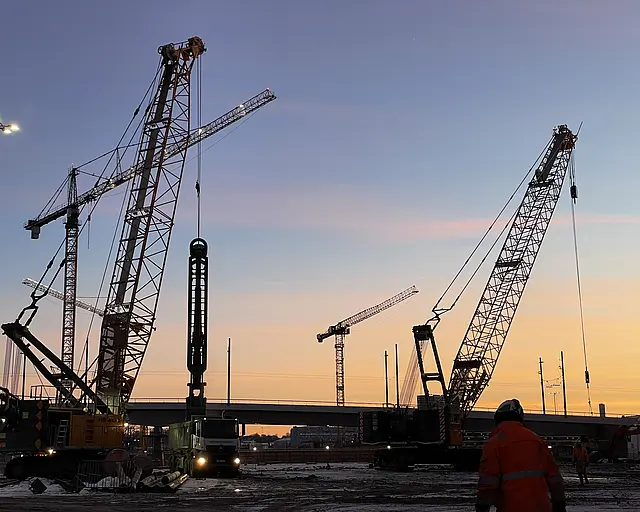
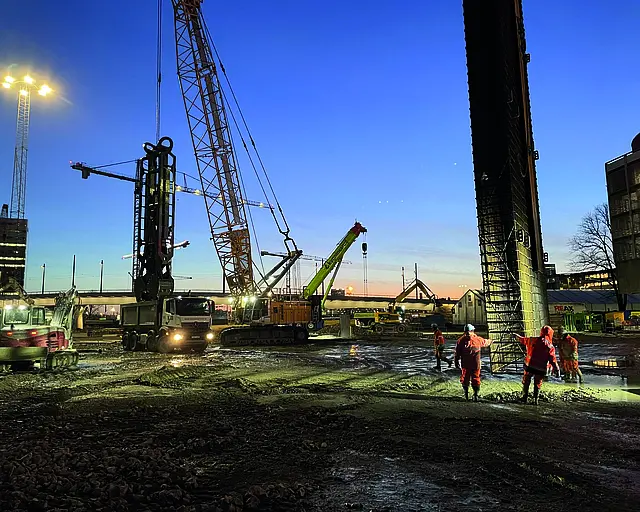
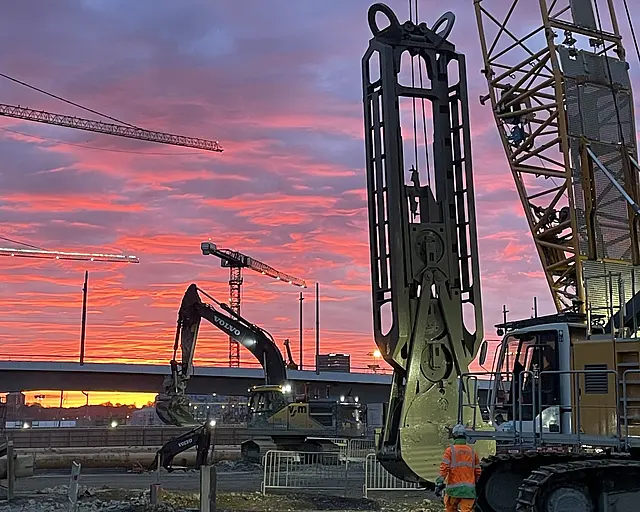
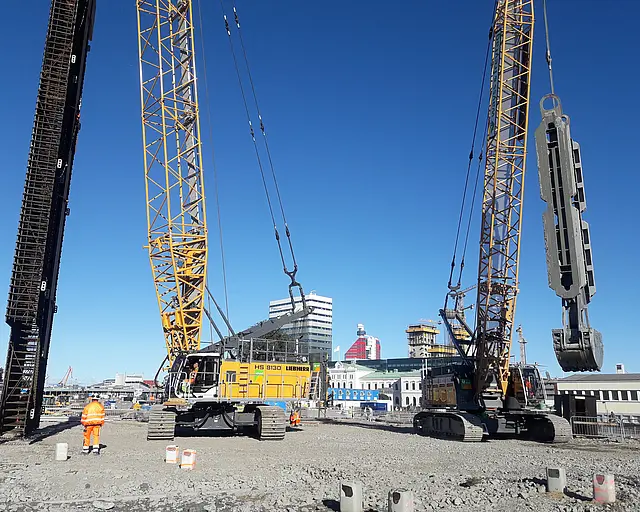
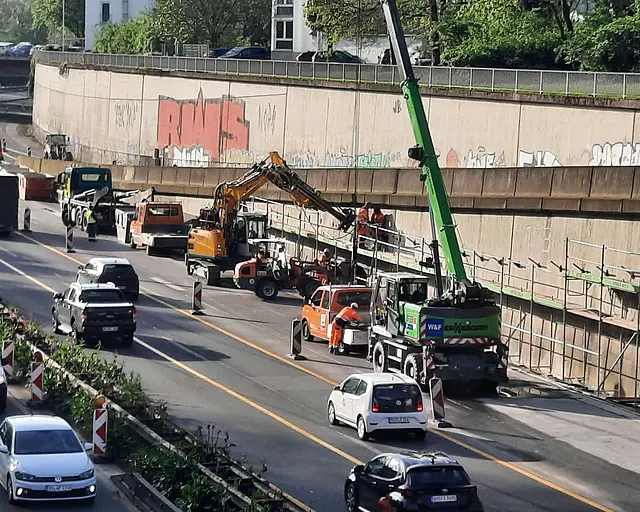
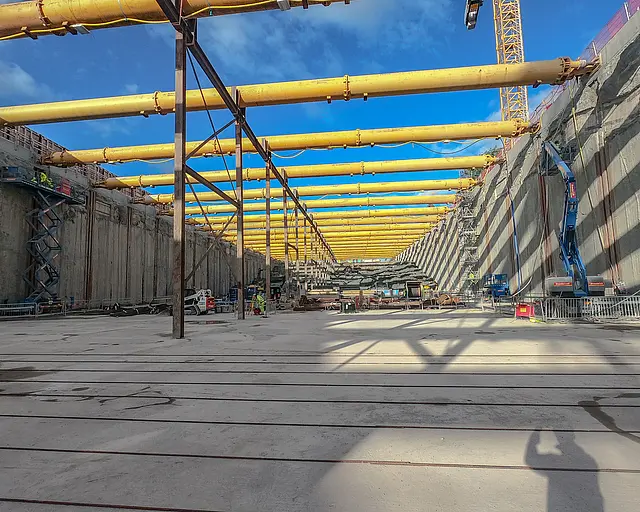
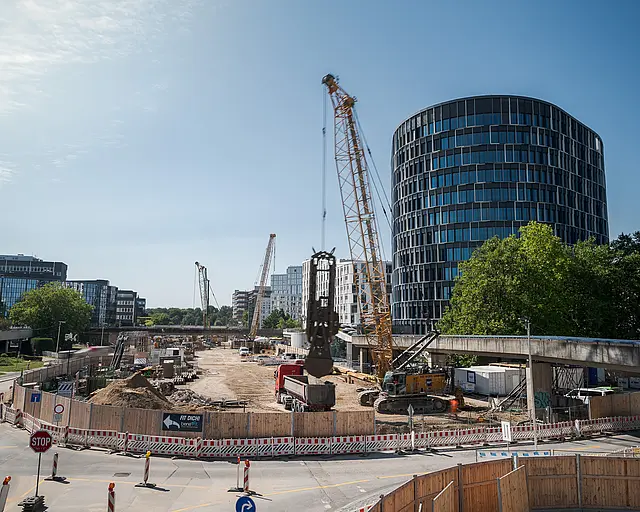
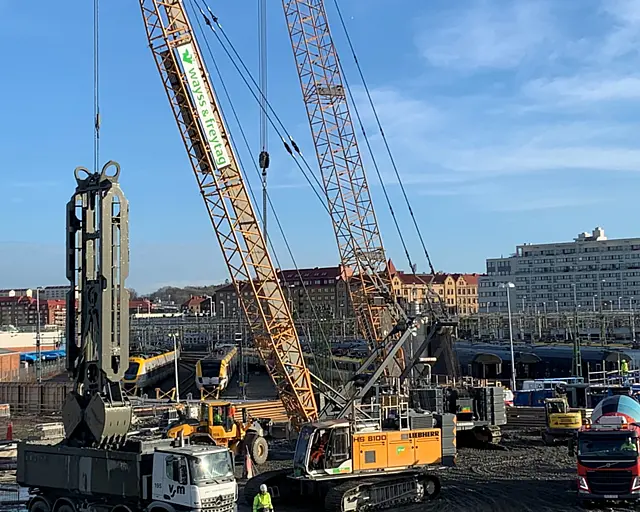
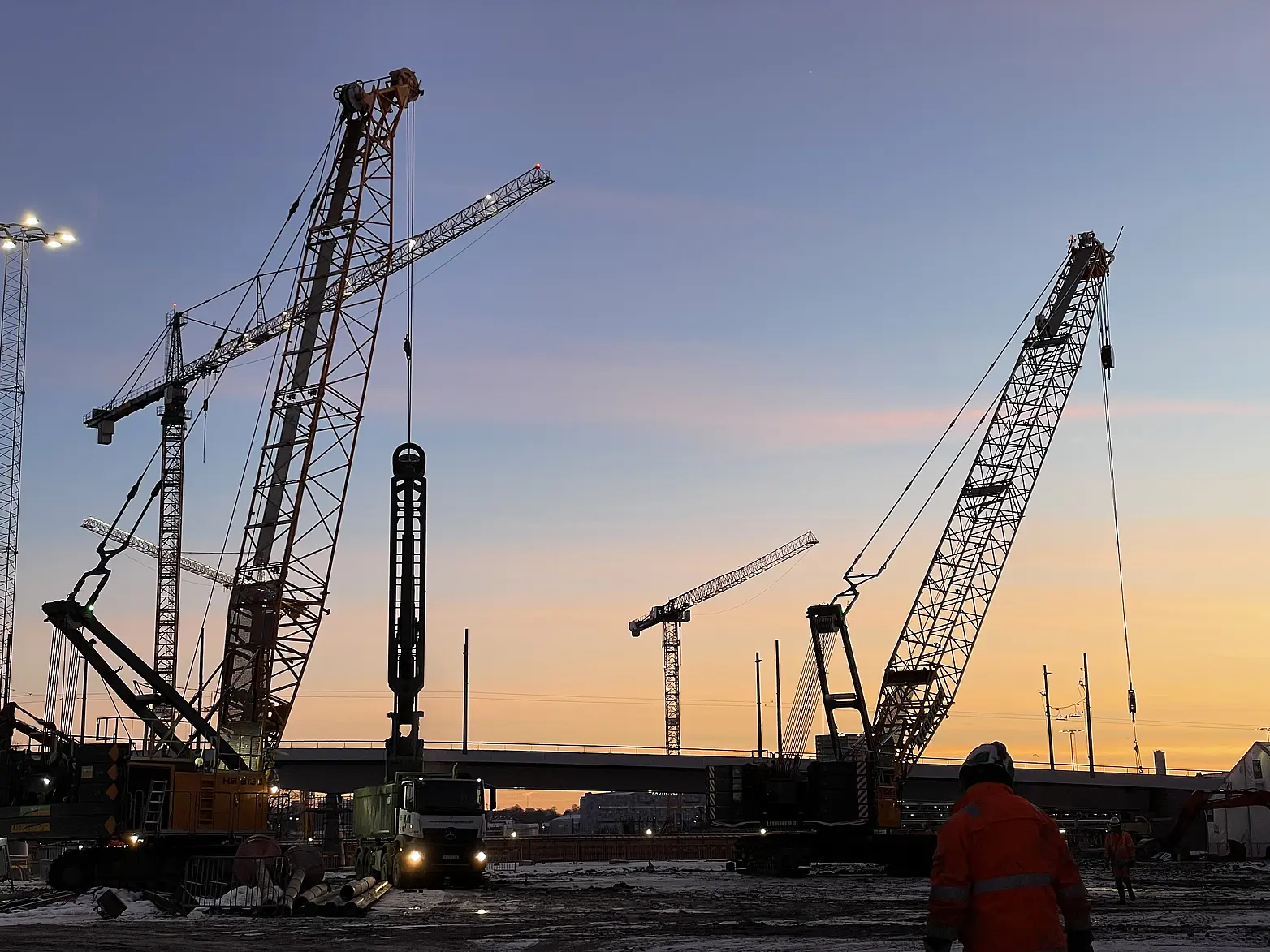
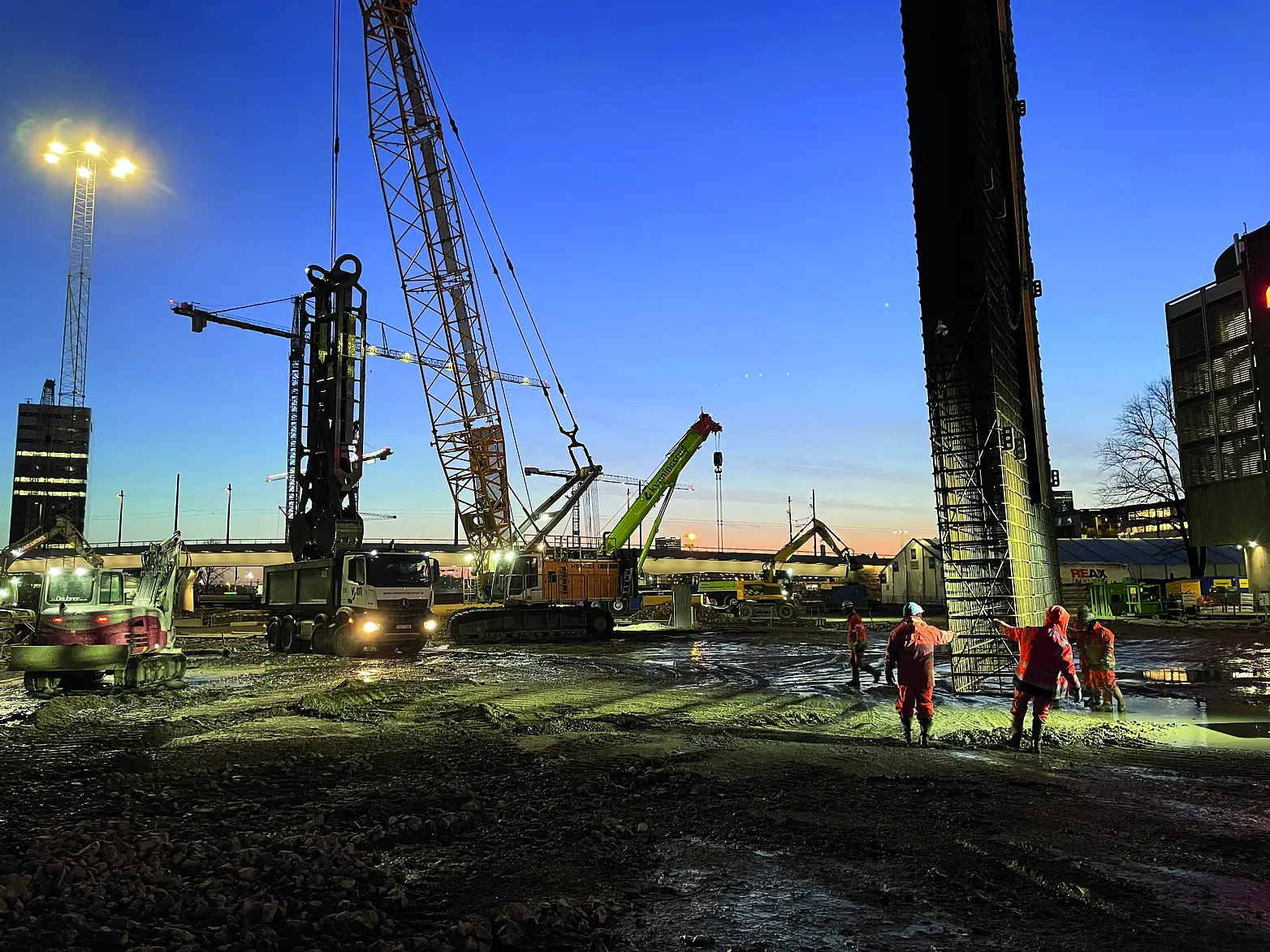
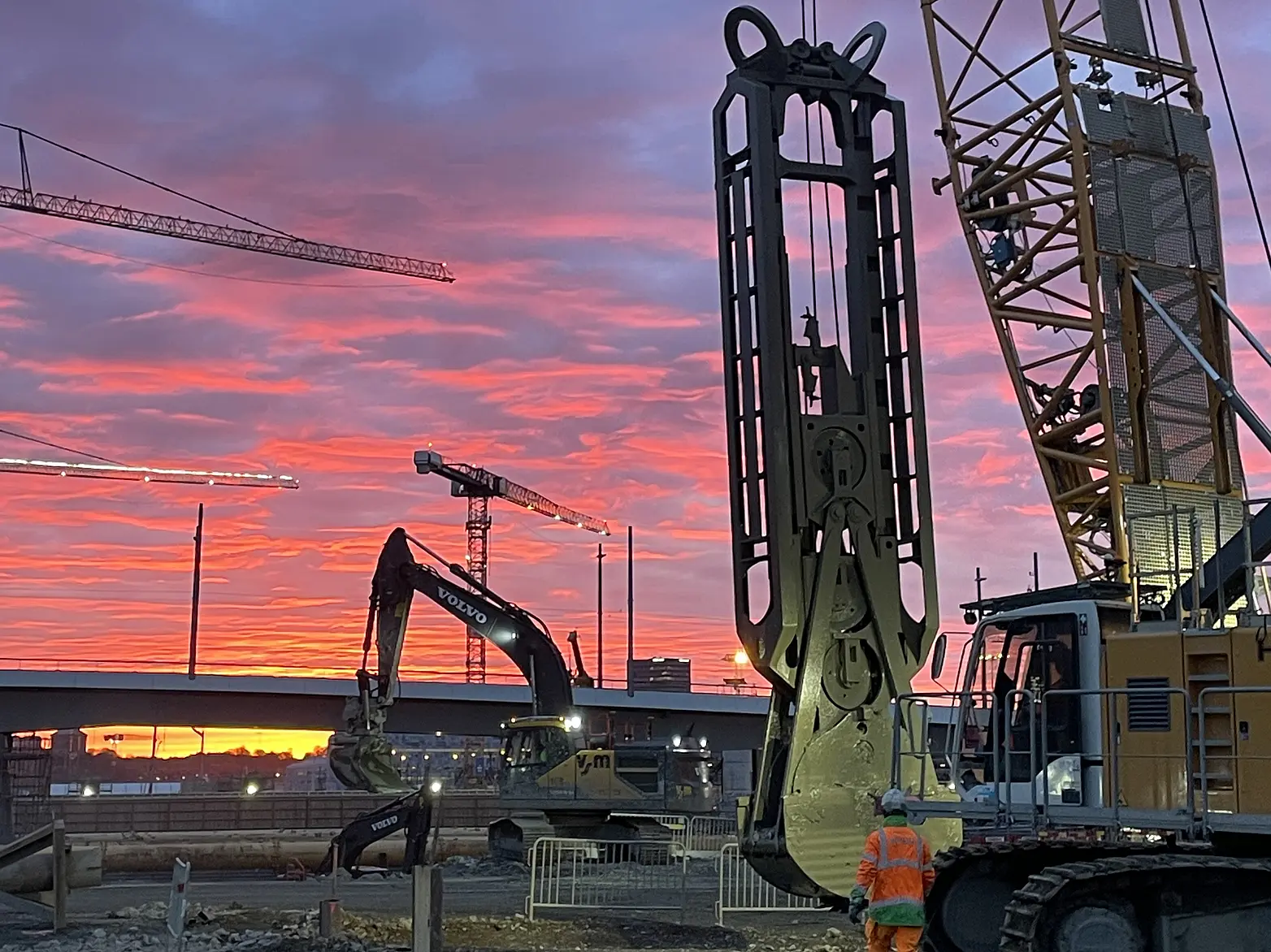
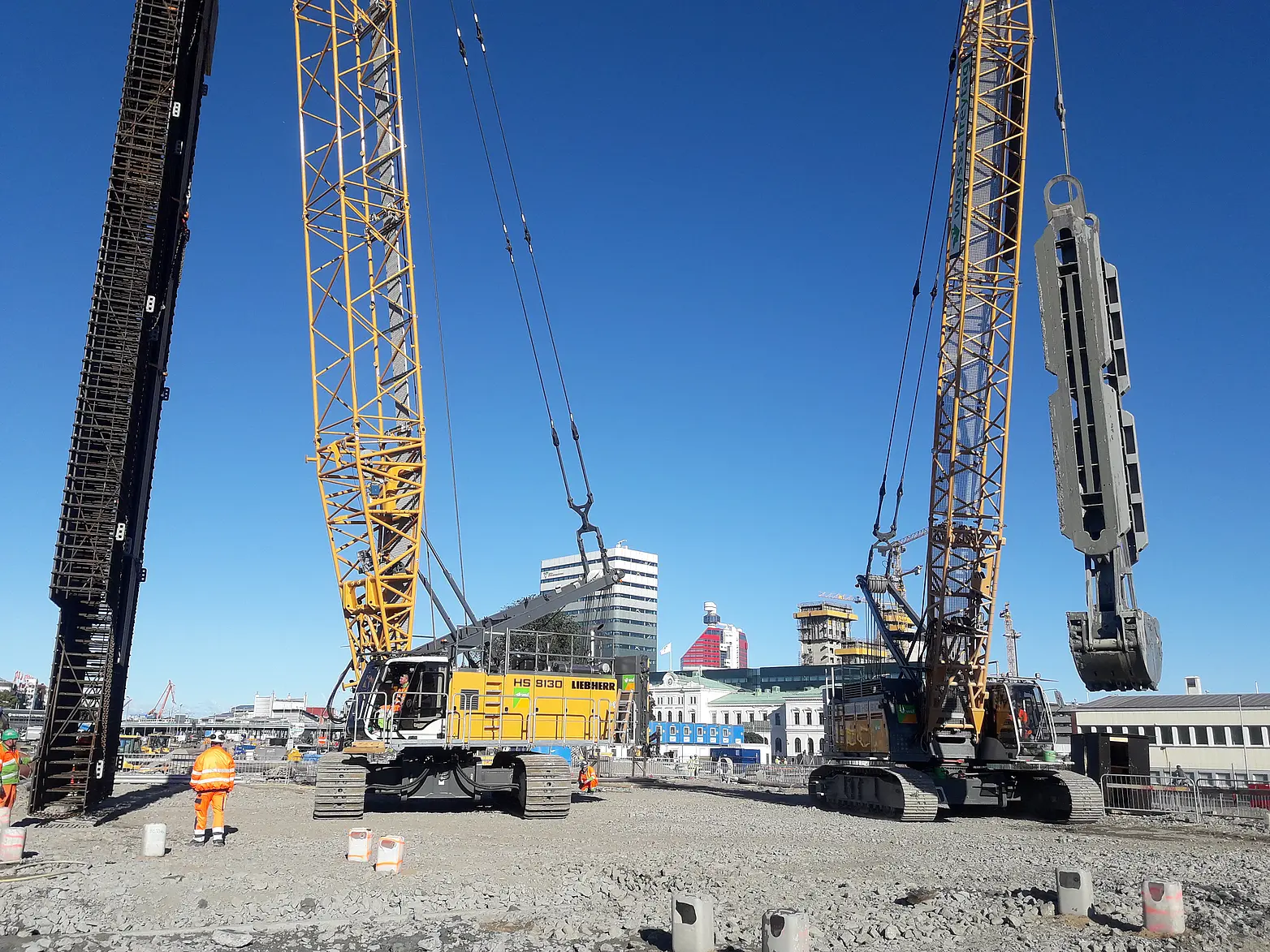
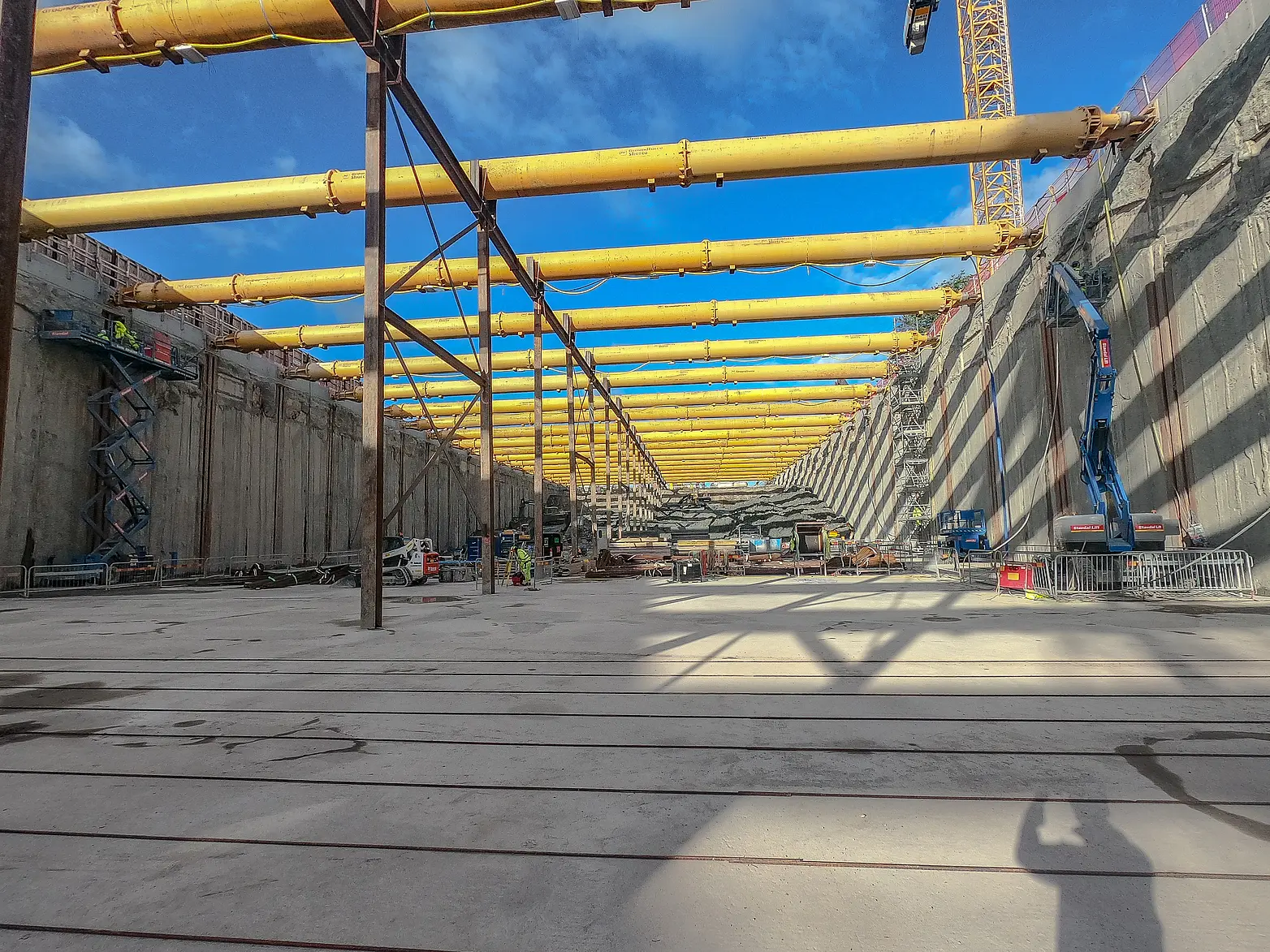
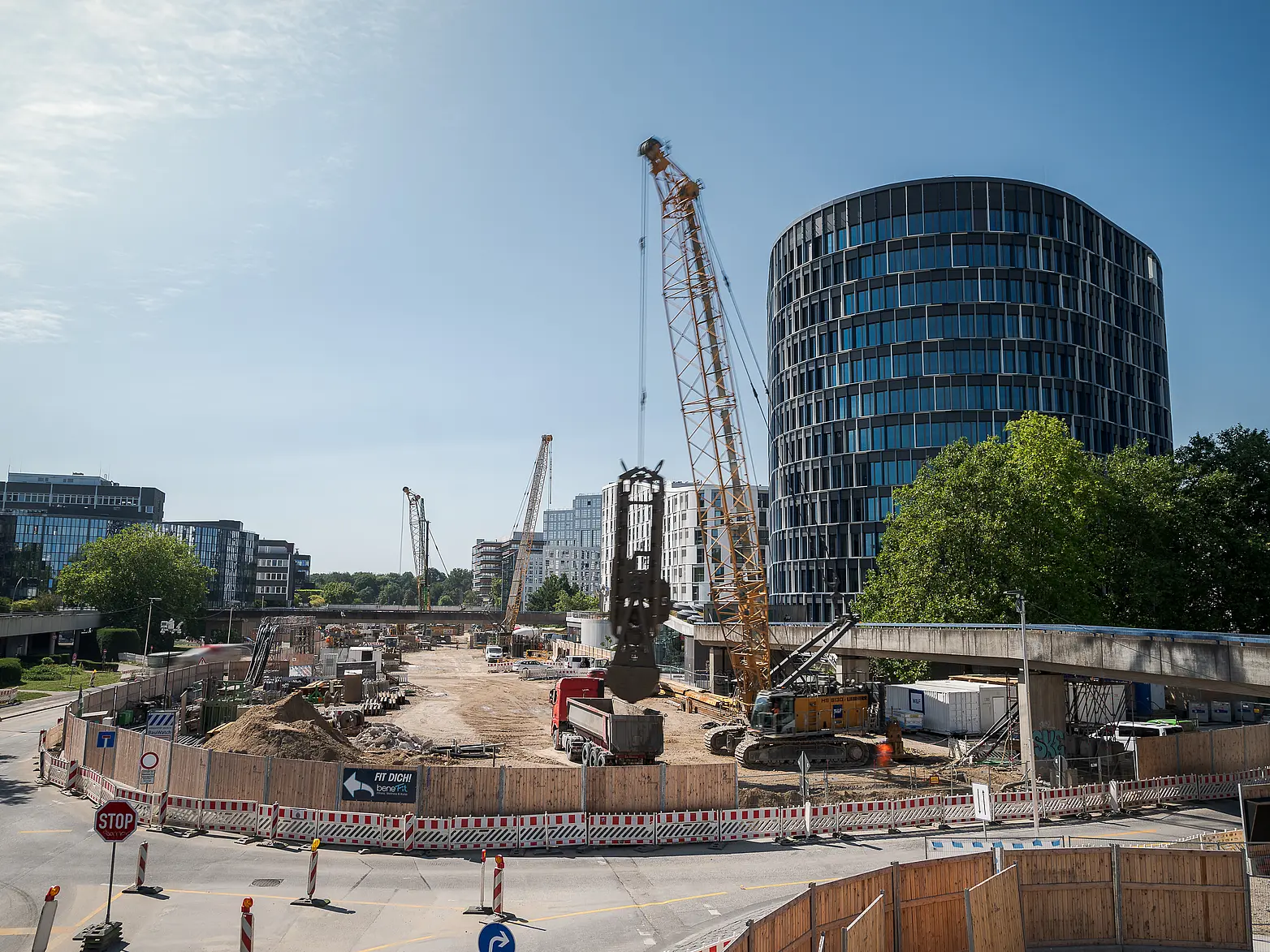
Using state-of-the-art methods and decades of experience, we realise challenging excavation pits, foundations and seals. The construction of deep excavation pits in densely built-up urban areas is one of our core competences. Using diaphragm, sealing wall or bored pile technology, combined with anchoring and horizontal base sealing, we realise complex excavation pits ourselves. In cooperation with experienced earthworks partners, we ensure technically flawless and punctual realisation, even in confined spaces and under high time pressure.
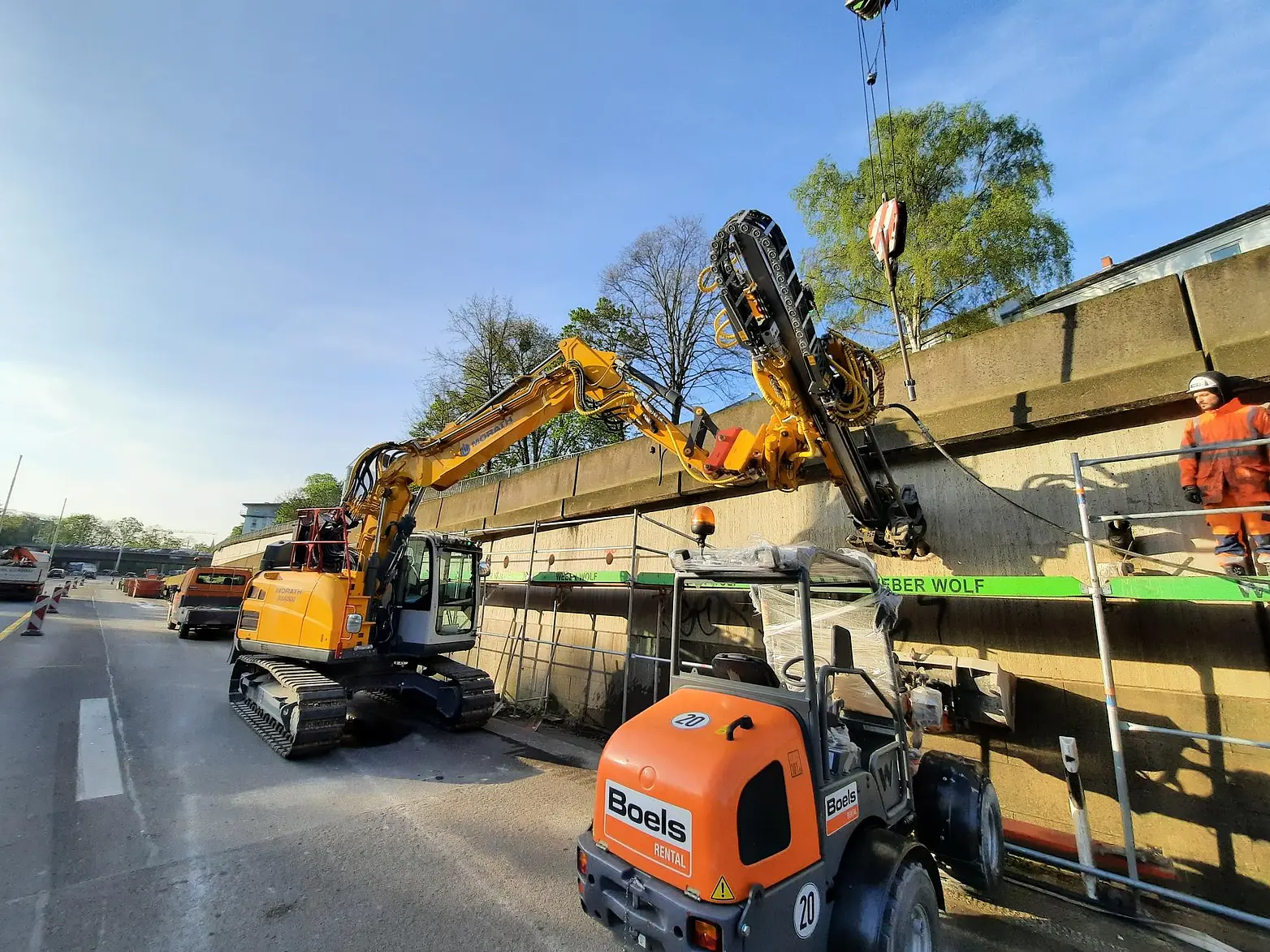
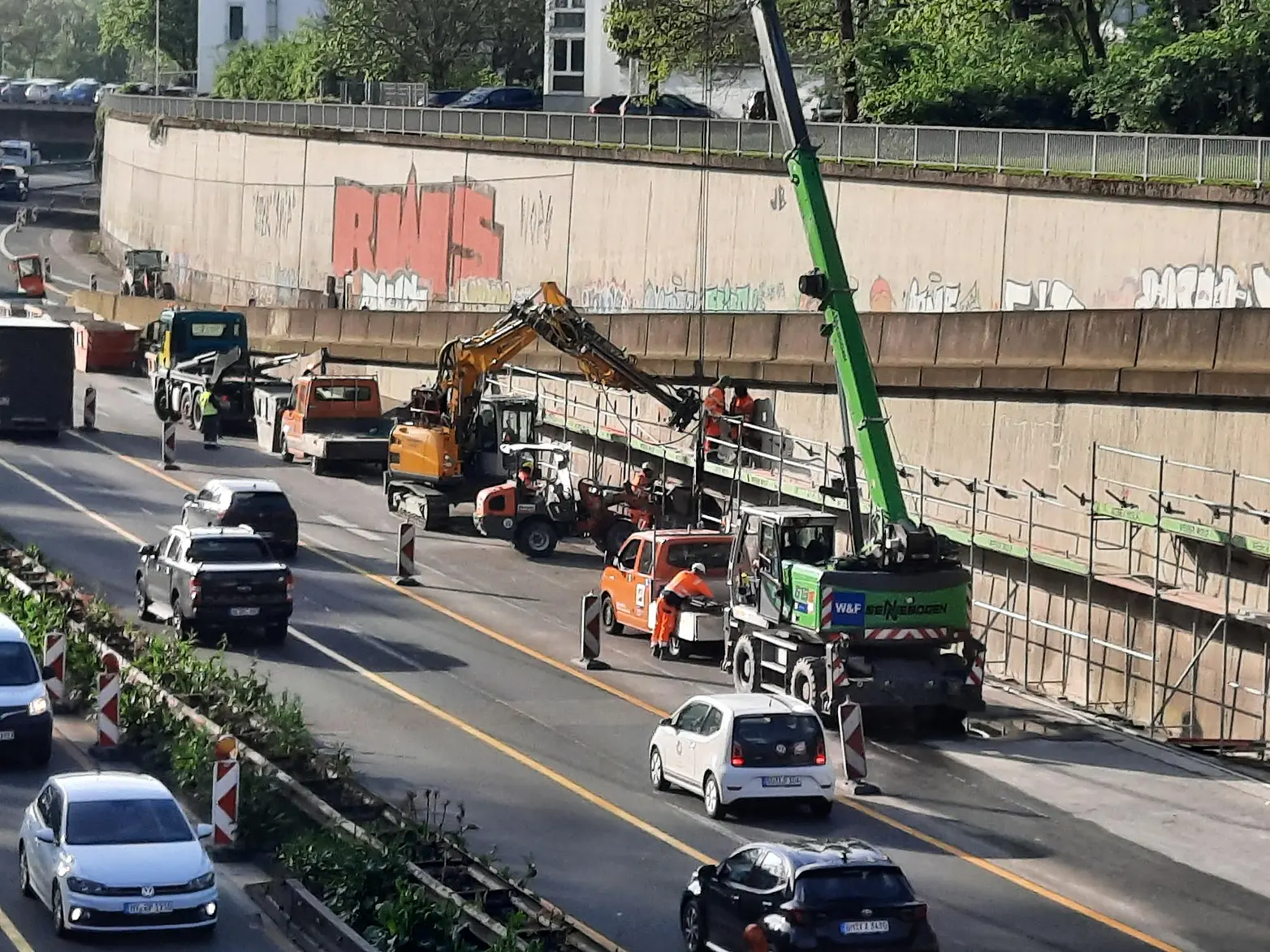
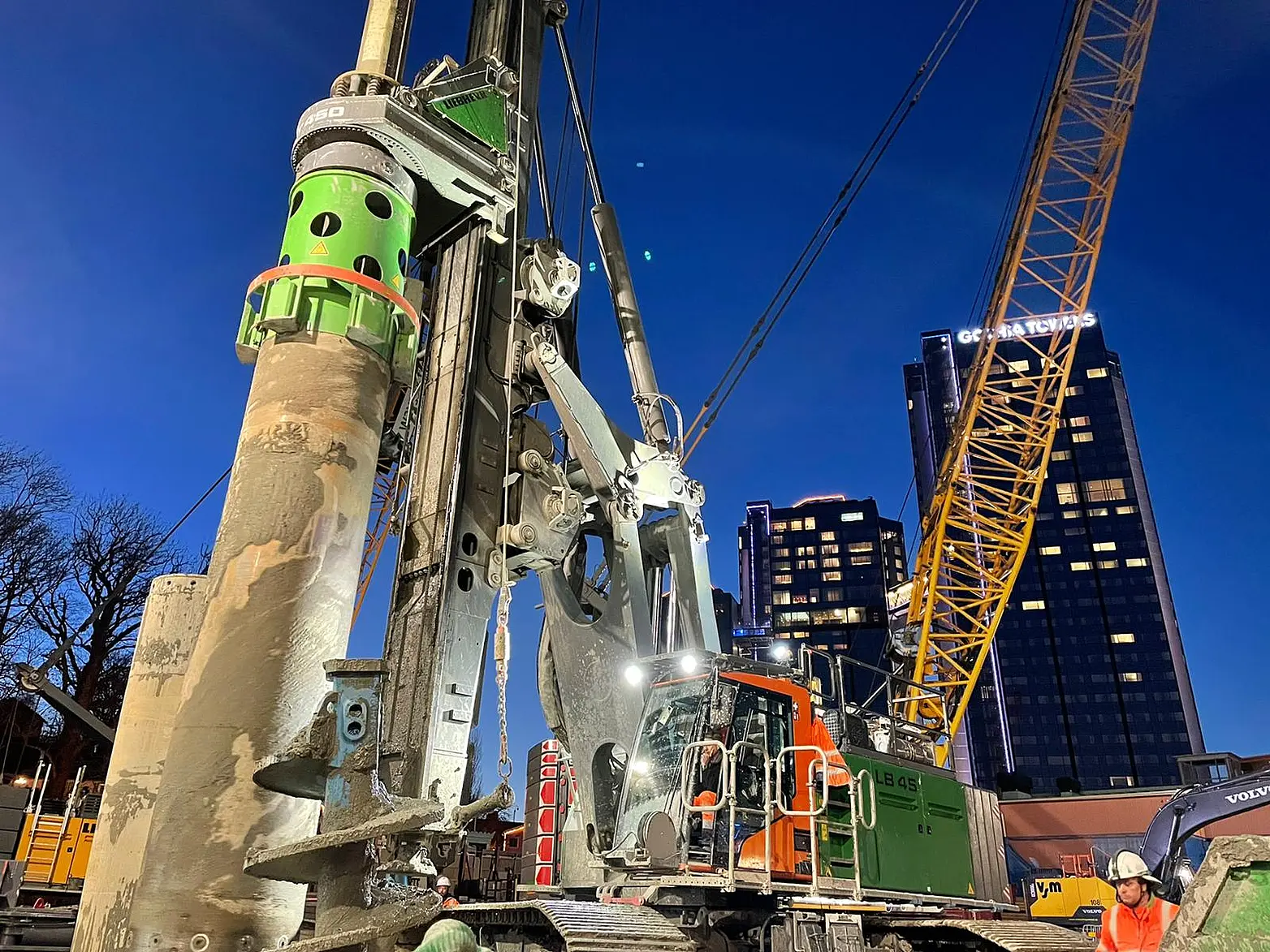
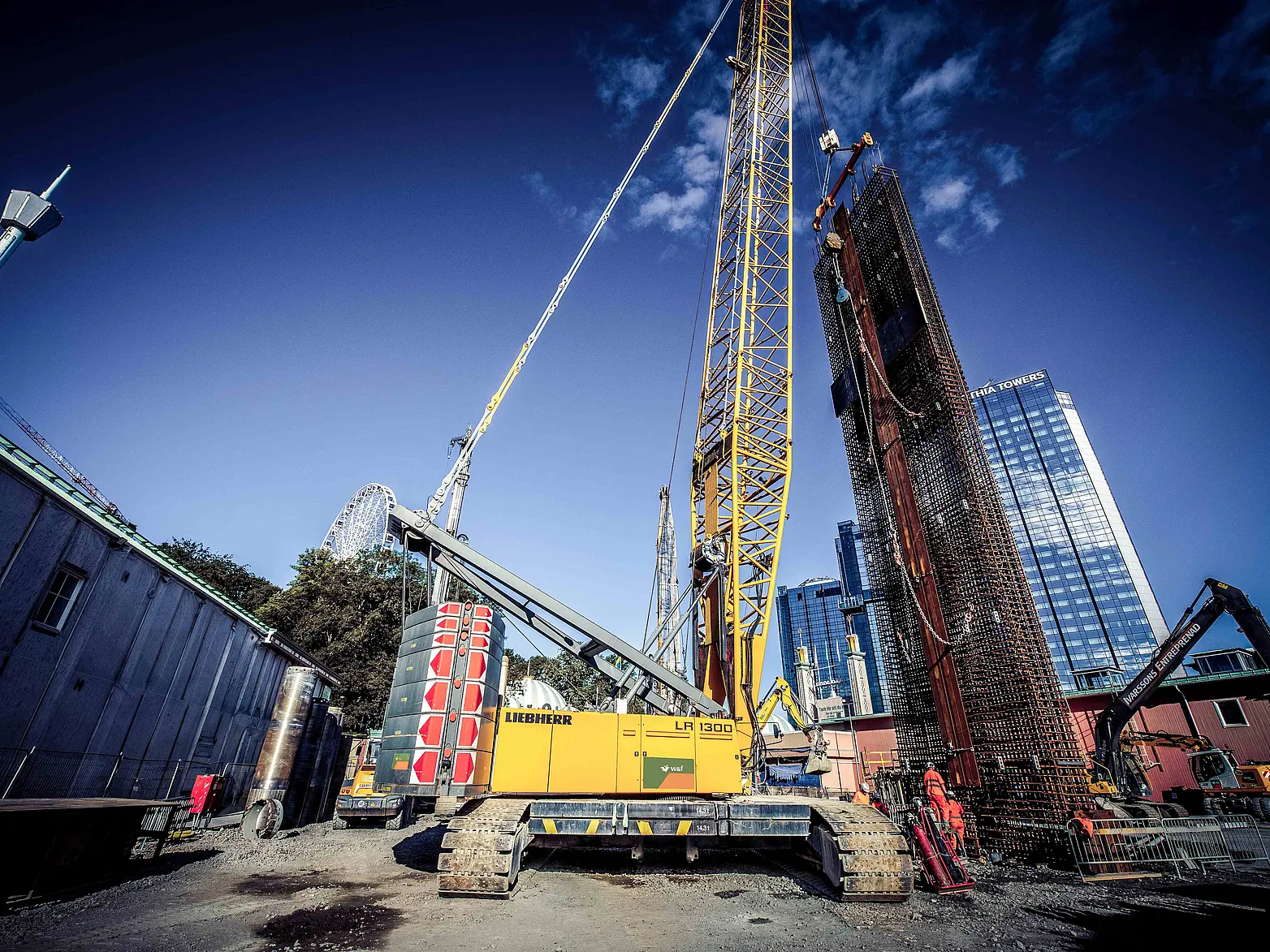
Foundation and shoring technology
Diaphragm walls and bored piles
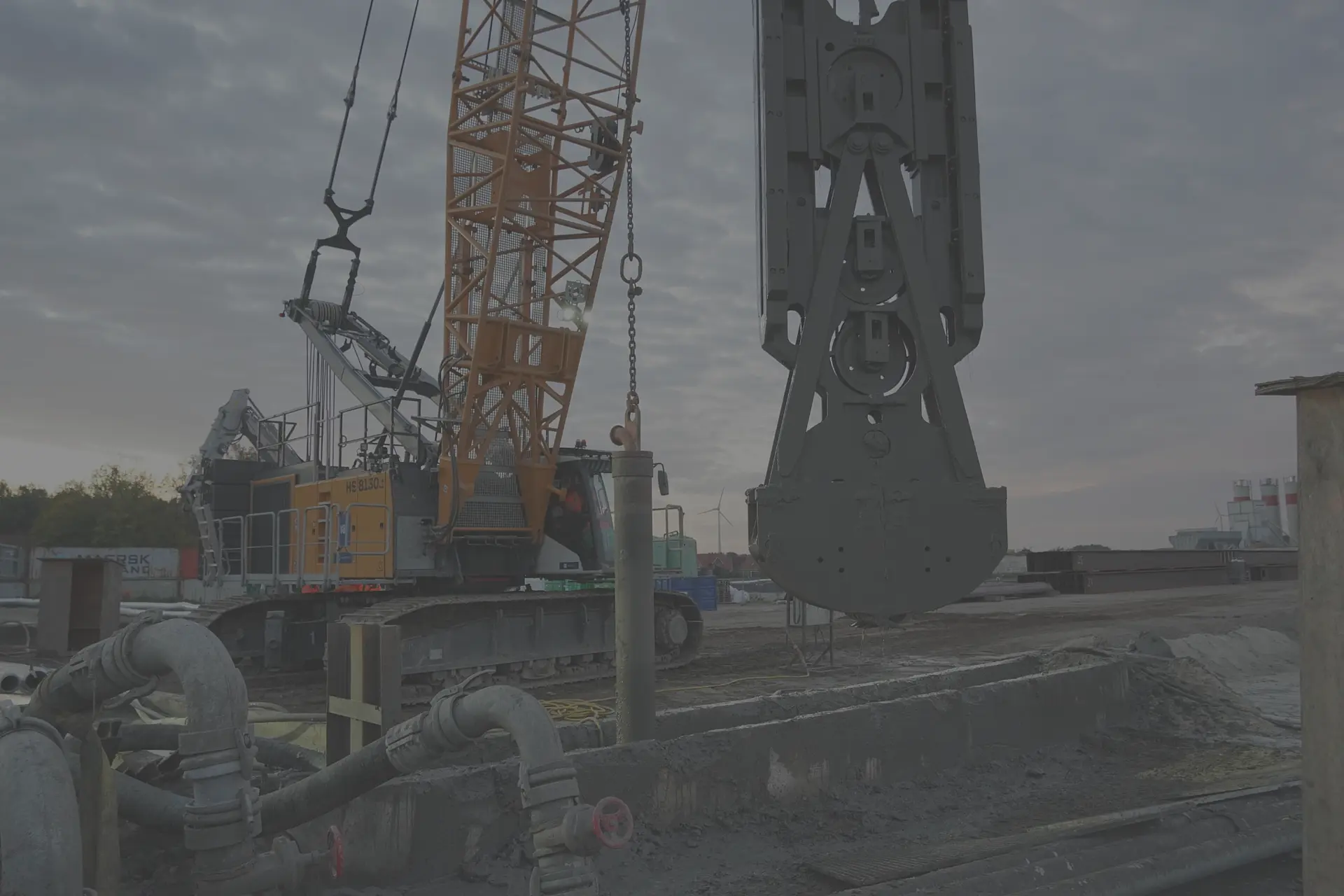
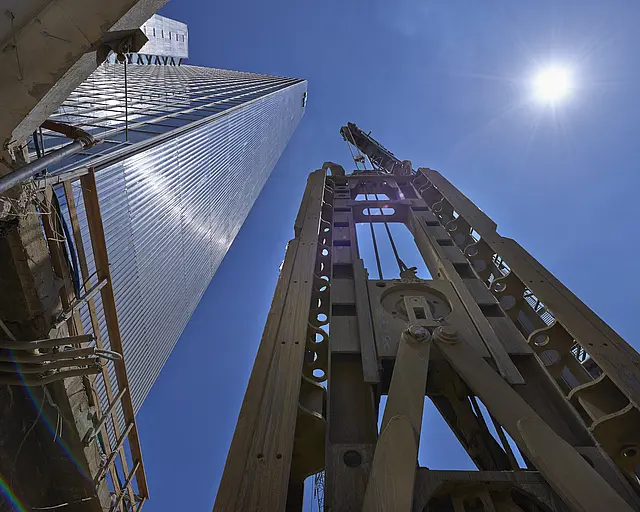
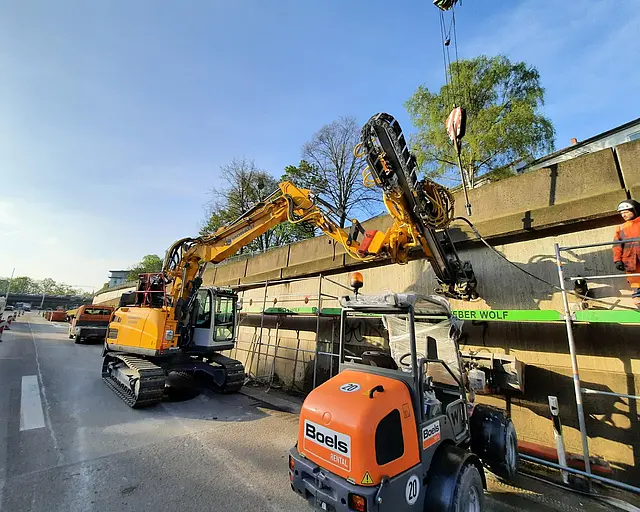
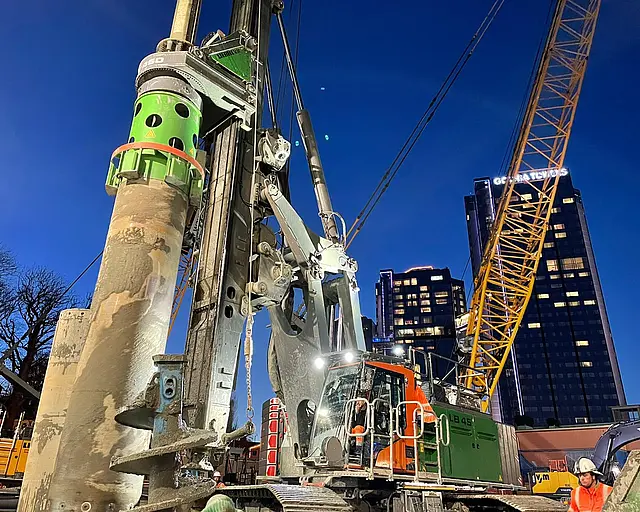
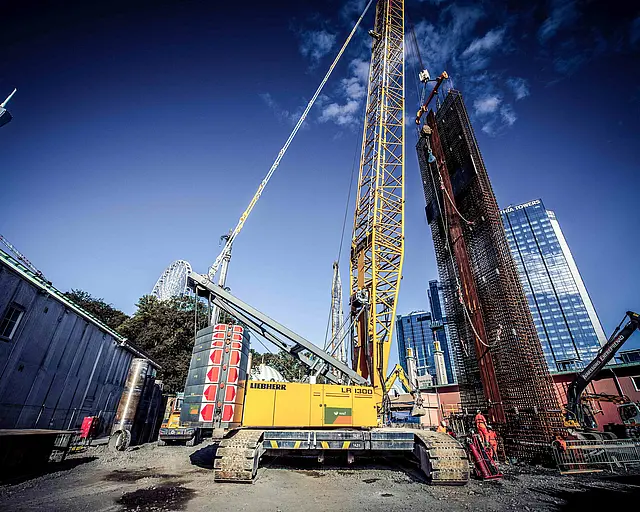
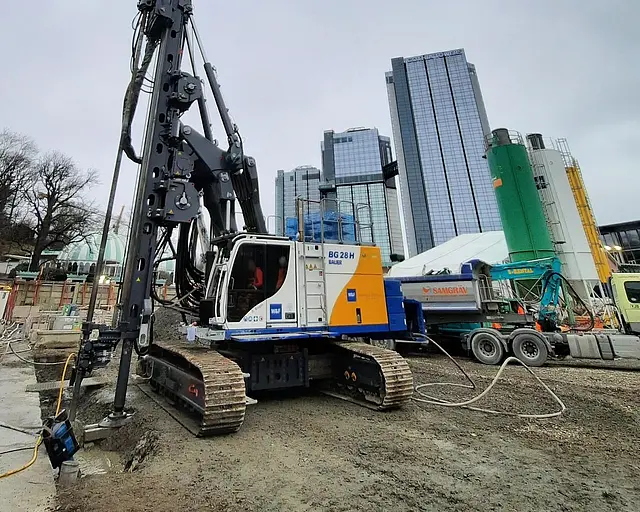
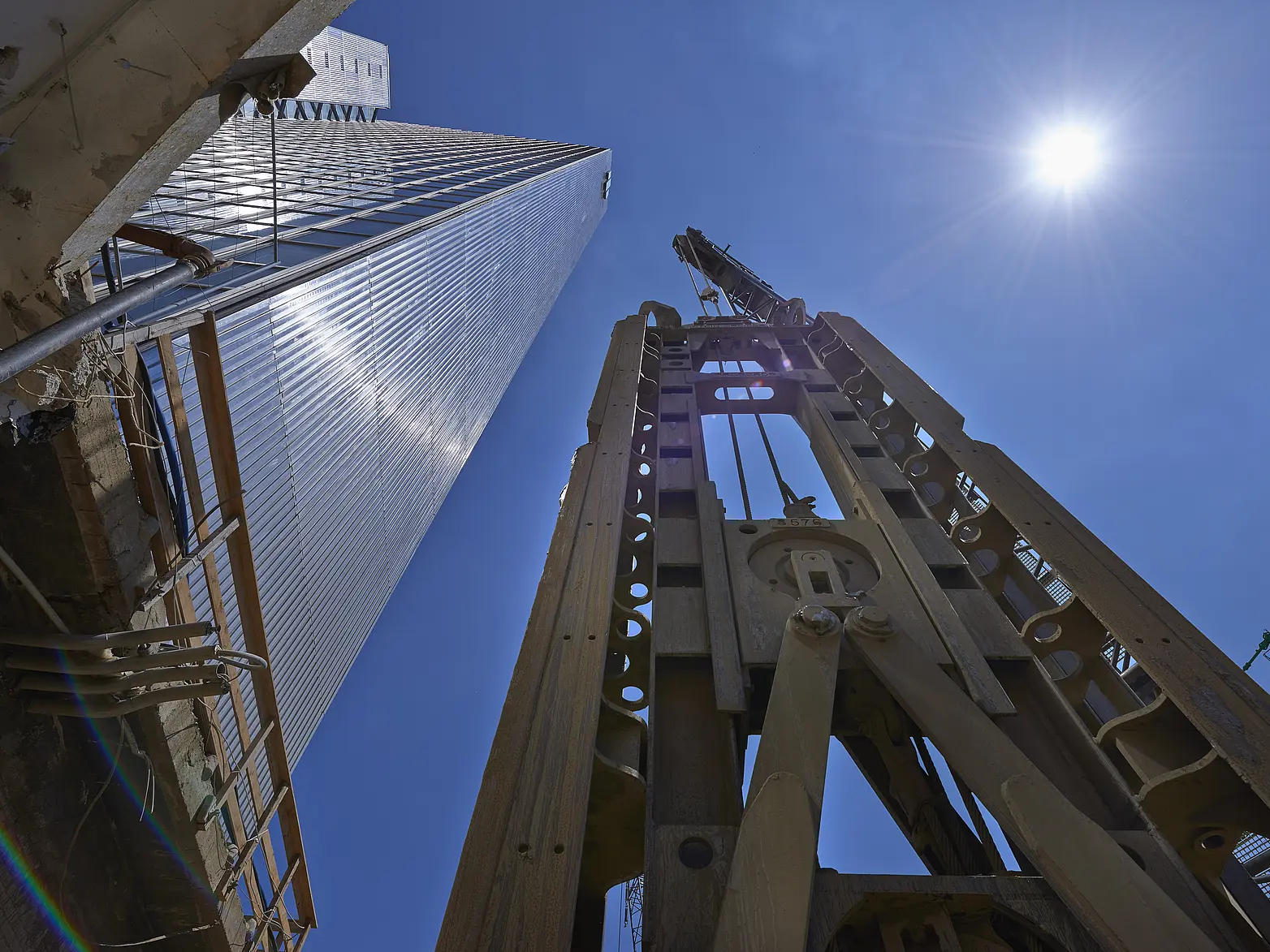
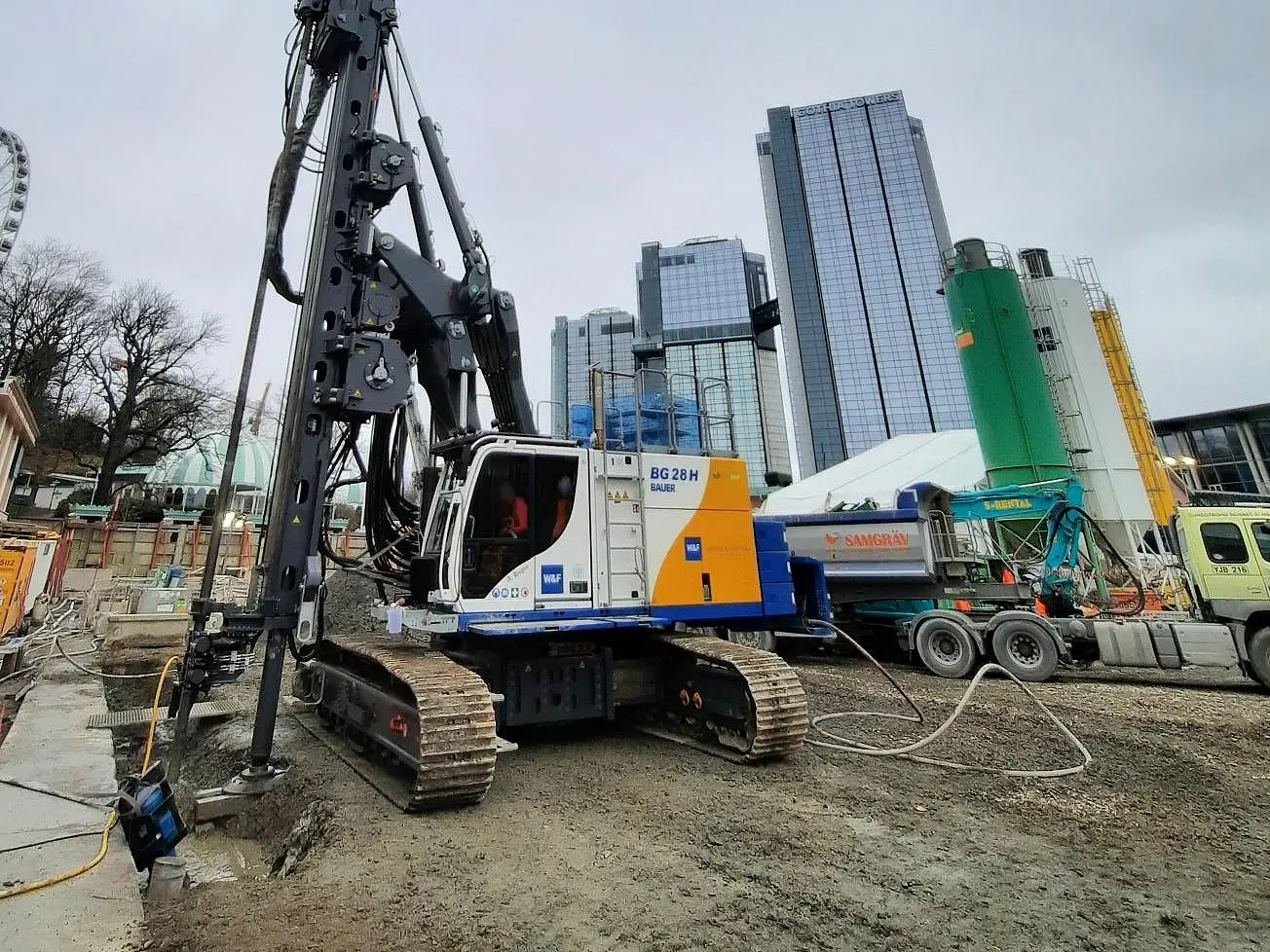
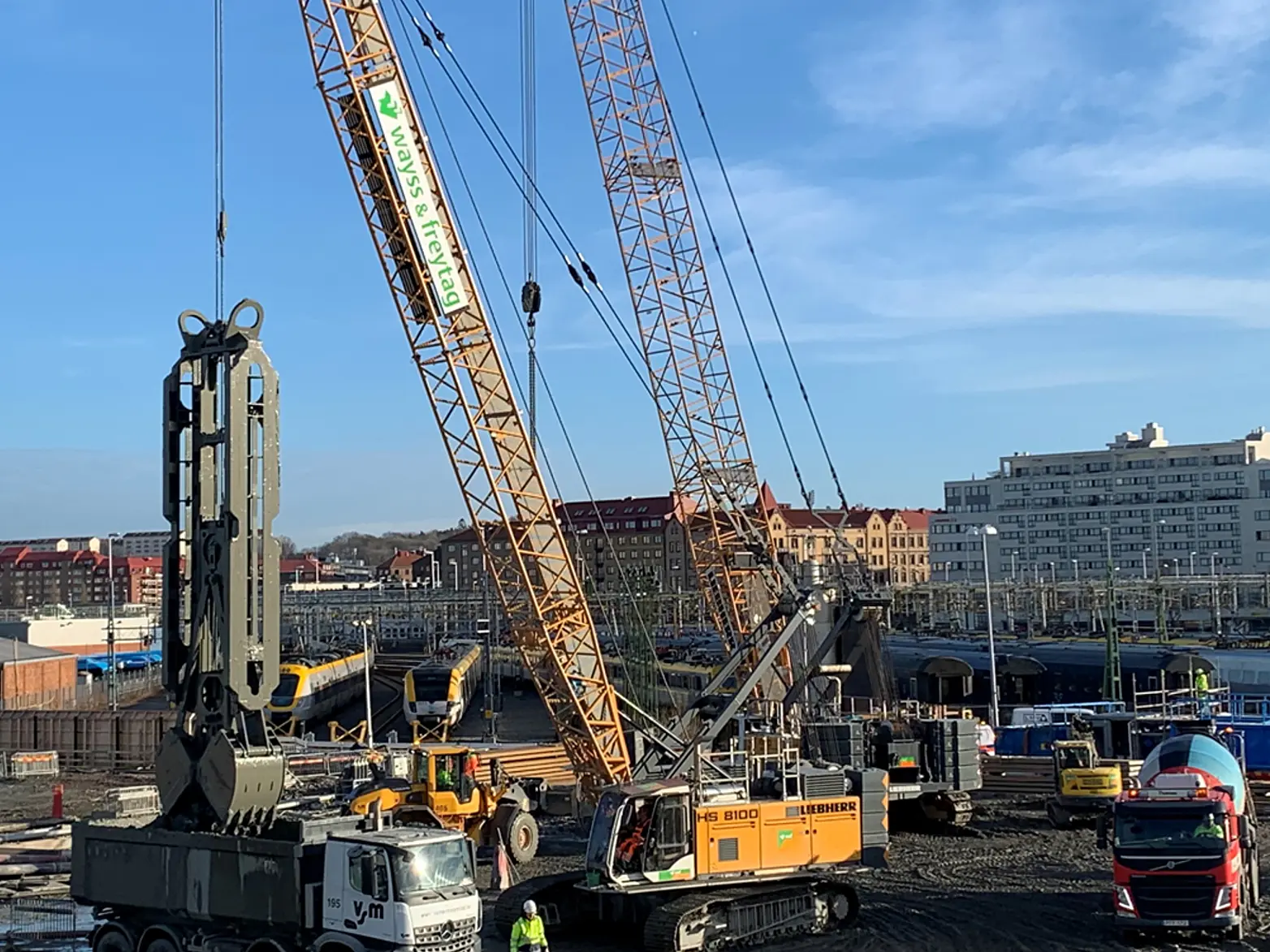
We rely on a variety of proven methods for the secure foundation and protection of structures. In-situ concrete diaphragm walls serve as watertight and low-deformation shoring walls and can also be used as static foundation elements. Sealing walls primarily fulfil a sealing function, for example in the case of landfills, contaminated sites or flood protection measures, and can also be statically effective with additional components. Bored piles enable flexible and low-vibration construction in all types of soil and are designed as individual piles, pile groups or pile walls as required. Micropiles with diameters of up to 300 mm are particularly suitable for post foundations and confined spaces. For special foundations, ductile cast iron piles are often used, which can be installed by driving and can be extended modularly.
Grouted anchor
Targeted dissipation of forces
Anchors are indispensable elements in special foundation engineering when it comes to transferring forces from earth, water or wind pressure into load-bearing soil layers. Depending on the duration of use, temporary, semi-permanent or permanent anchors are used. The tension members - consisting of strands or rods - are inserted into drilled holes and anchored in the ground by grouting with cement suspension. After hardening, they are prestressed to minimise deformation. Special sealing systems ensure safe construction even under heavily pressurised groundwater. For temporary applications, the anchors can be designed to be removable
Micropiles
Small, strong, precise
Jet grouting micropiles are a particularly strong micropile system for transferring compressive or tensile forces into the subsoil. This method combines two tried and tested techniques of light special foundation engineering. Using high-pressure technology, the soil is specifically consolidated in situ and stabilised with cement. It allows the construction of columns of different sizes and strengths. The jet grouted micropile can therefore be constructed with a significantly larger grouting body compared to a drilled micropile. The load-bearing capacity is also significantly higher.
Our experts are among the few in Germany who are experienced and reliable in offering this procedure. For more detailed information, please contact our Central division.
Ground improvement and sealing
Jet grouting and low-pressure injection
We use injection methods that are individually tailored to the geological conditions to consolidate and seal the subsoil. Whether for underpinning existing buildings, sealing construction pits or improving the subsoil - our methods ensure stability and impermeability. If the pore spaces in the soil are too fine, the jet grouting method is used. In this process, the soil is loosened by a high-energy cutting jet and mixed with cement suspension. The resulting mixture hardens in the soil and forms stable structures that can be flexibly adapted to the requirements of the project. This process is suitable for all types of soil.
Ground freezing
Temporary stabilisation without residues
Ground freezing is a specialised process for temporarily sealing and stabilising the subsoil. Liquid nitrogen or brine is used to freeze the ground in a targeted manner in order to safely carry out tunnel crossings or pipe crossings. The great advantage of this method is that it leaves no residue: after thawing, no foreign substances remain in the ground. This makes ground freezing particularly suitable for sensitive areas, temporary measures in groundwater or as a supplement to other sealing methods.
Find out more about our special foundation engineering
Download our brochure here.
Reference projects
Wewelsfleth
Wind energy from northern to southern Germany
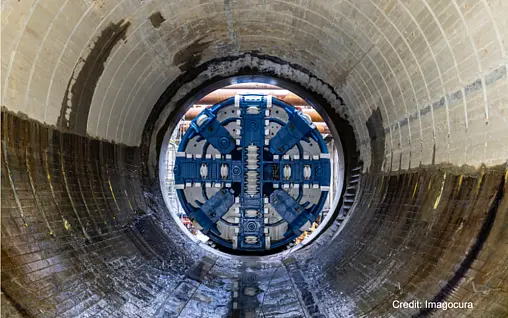
Neu-Isenburg
Crossing structure under nine existing tracks
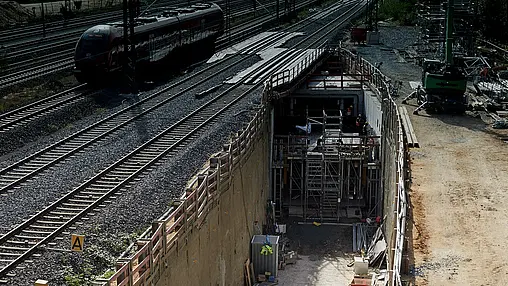
München
Relief for the Munich S-Bahn network
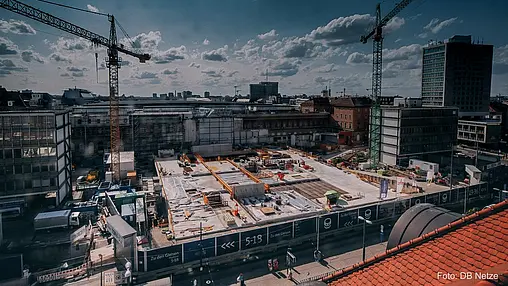
Bremen
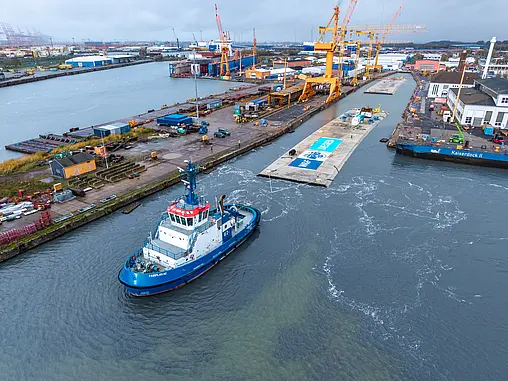
Immersed tunnel under the Weser for more traffic relief in Bremen
Hamburg
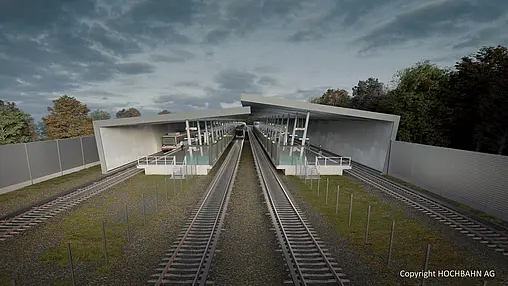
New underground line for Hamburg
Düsseldorf
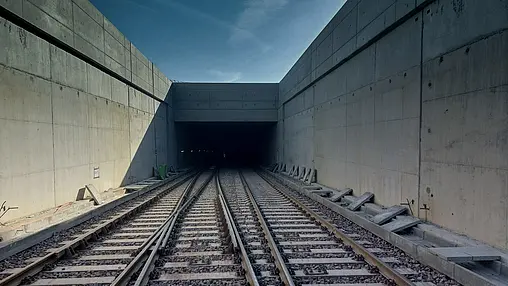
Connection of the airport to the light rail network
Ibbenbüren
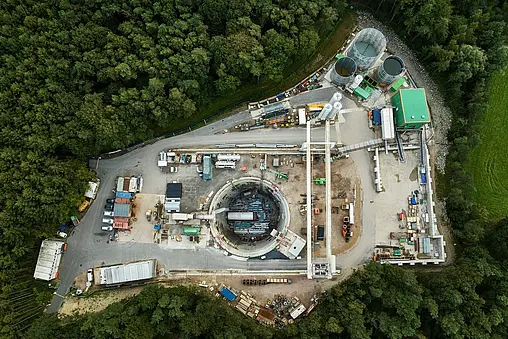
Discharge of mine water with a natural gradient
Brunsbüttel
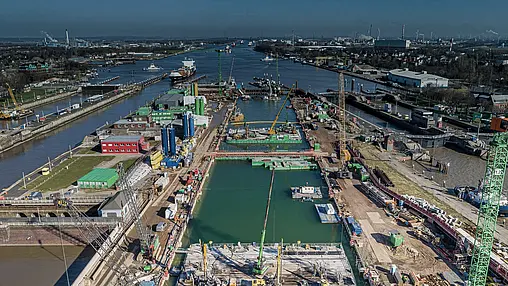
New lock chamber for the busiest artificial waterway
Rostock
Excavation pits for the new construction of the Volkstheater Rostock
München
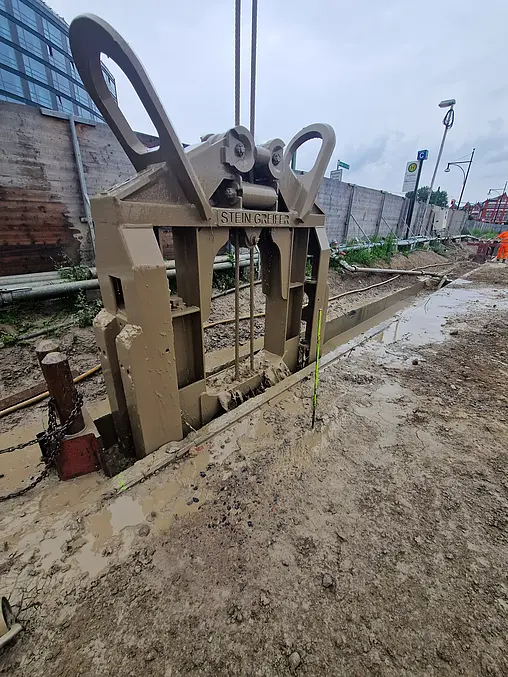
Extension of underground line 5