Technical Specifications
Project description
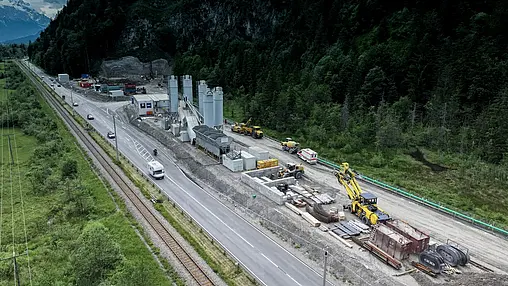
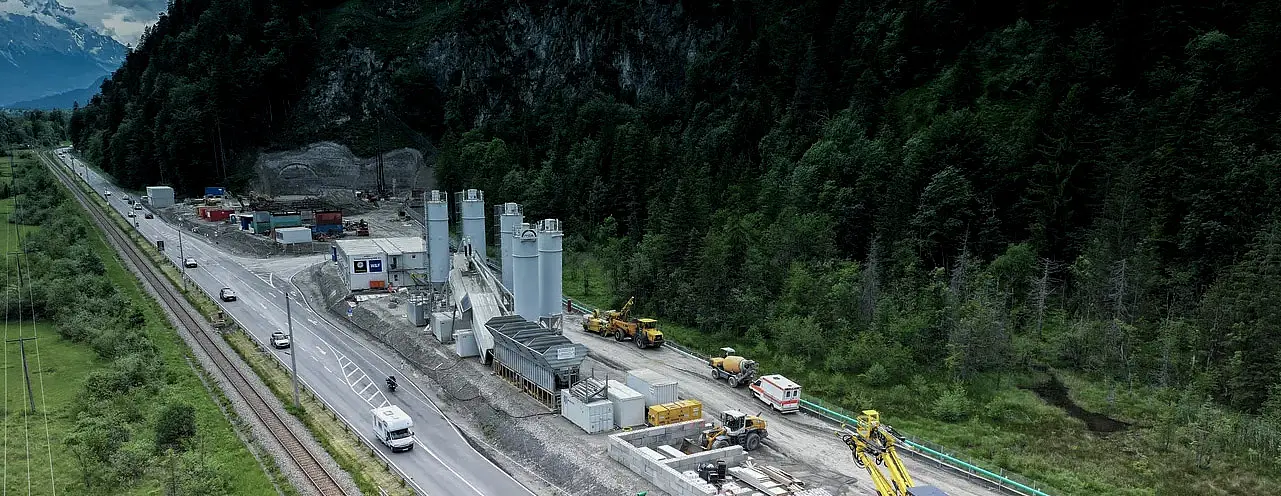
- The Auerberg Tunnel forms part of the four-lane widening of the B2 between Eschenlohe and Oberau-Nord
- The project closes the final capacity-limiting gap between the end of the A95 and the Garmisch-Partenkirchen area
- Together with the Oberau bypass, which has already been completed, and the Farchant bypass, this will create a continuous, high-capacity north-south link through the Loisach Valley
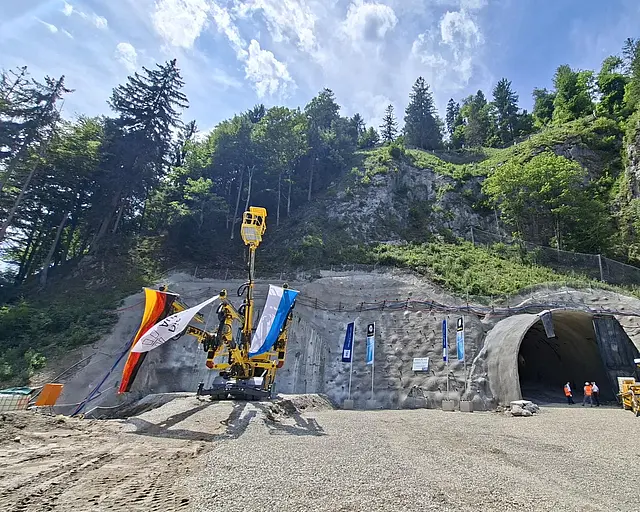
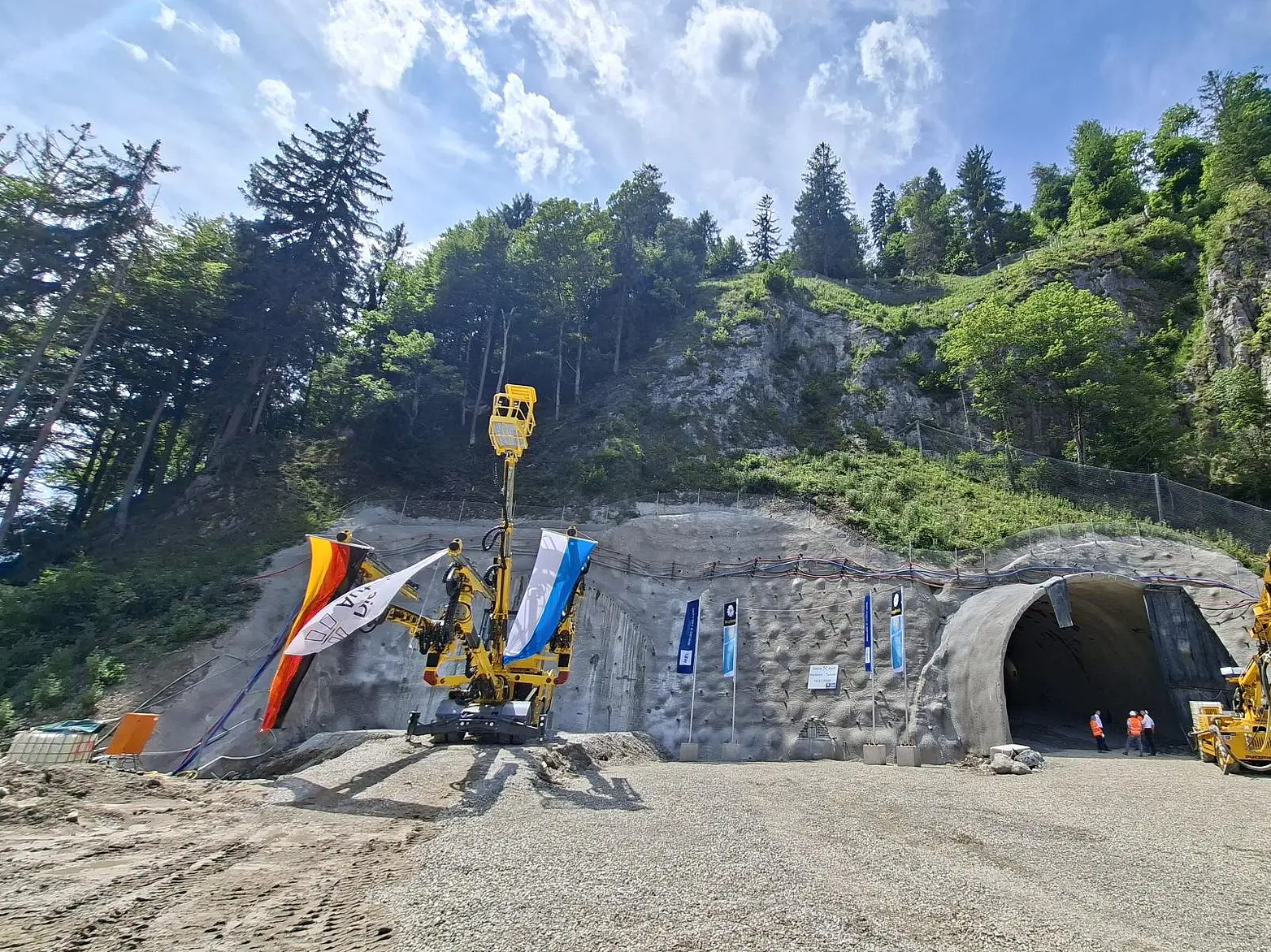
- At the heart of the project are two twin-tube road tunnels, each approximately 1.9 km long, which are to run through the Auerberg
Construction method
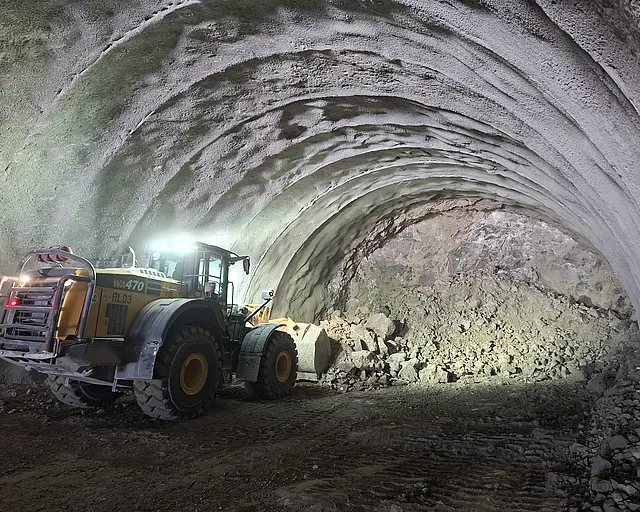
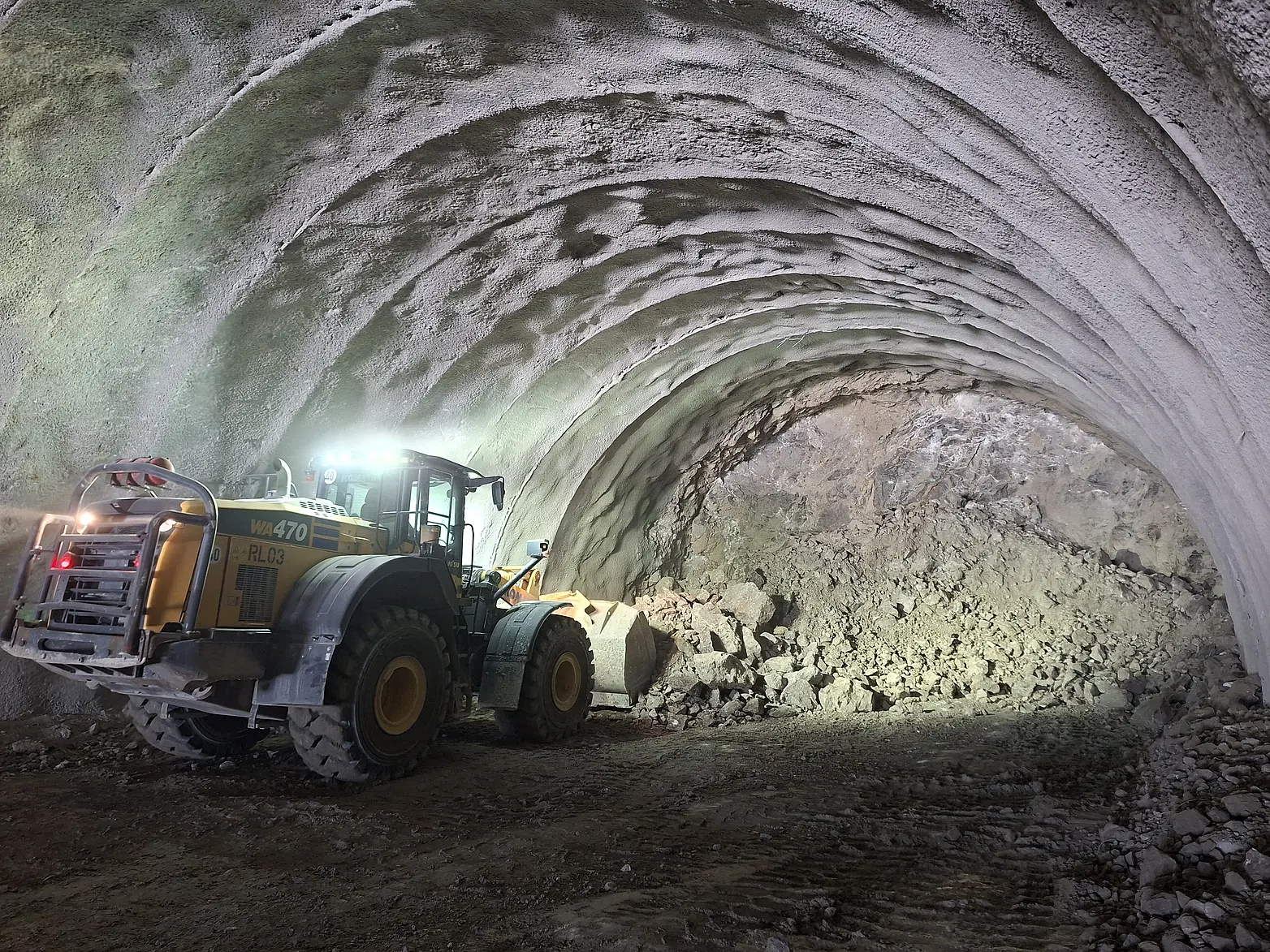
- Conventional tunnel boring – blasting and excavation
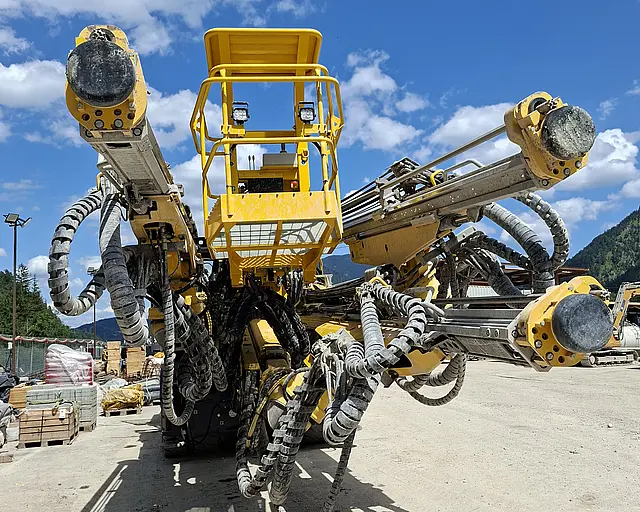
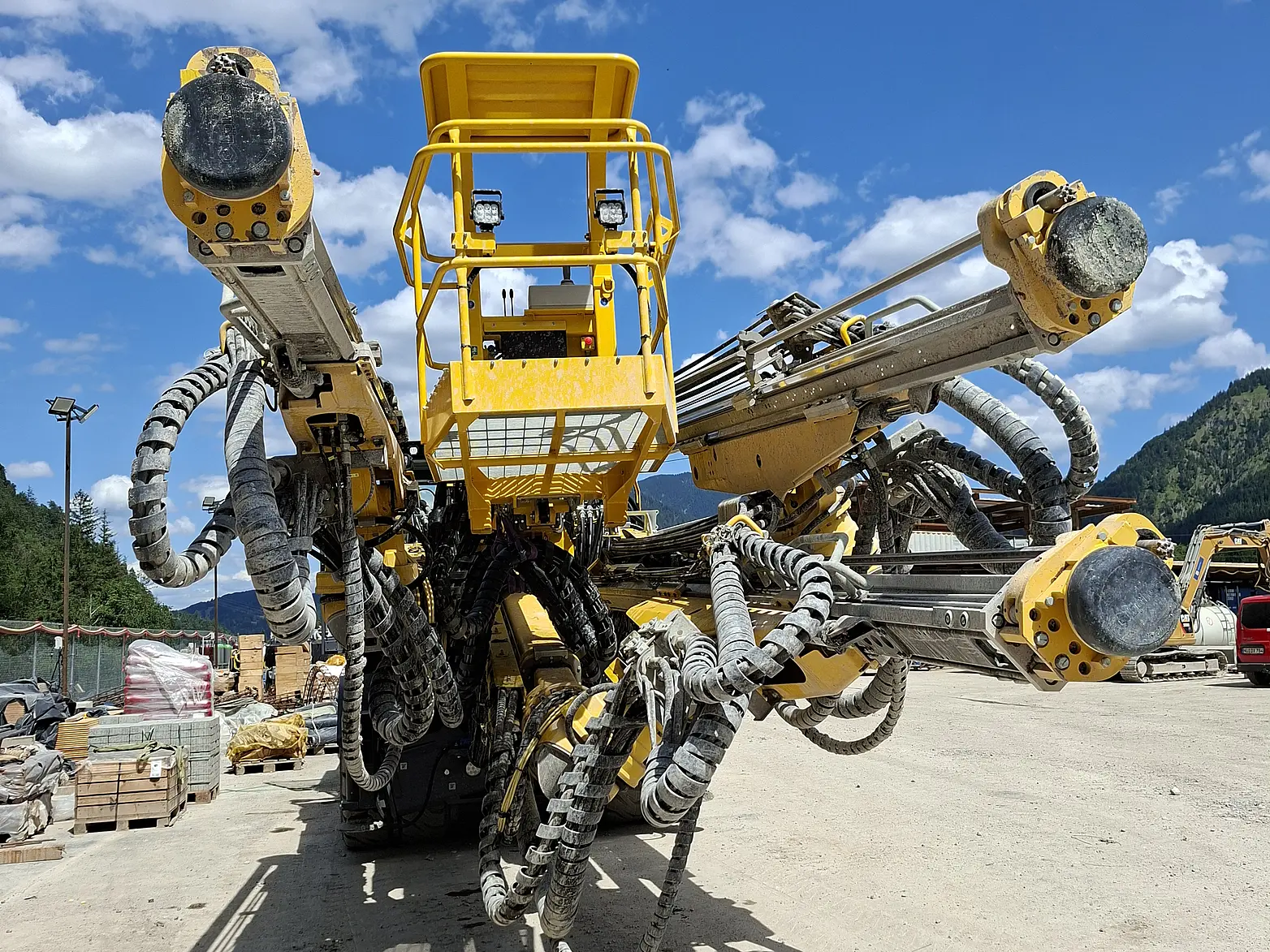
- Use of a three-arm drilling rig with semi-automatic and fully automatic drilling
- Use of liquid explosives
- Support using steel-fibre shotcrete
- Connection to the A95 motorway and the newly upgraded four-lane B2 federal road
Geology
The Auerberg consists exclusively of carbonate rocks of the Hauptdolomit Formation (Alpine Triassic). In a broad tectonic sense, this section of the mountain range is classified as part of the Upper Ostalpine Lechtal Nappe.
General information
Project
Auerberg Tunnel
Client
The Federal Motorway Company
Project owner
Weilheim State Building Authority
Contractor
Wayss & Freytag Ingenieurbau AG in a joint venture
Construction period
2026 to 2029 / the construction period and opening to traffic for the entire project are scheduled for the end of 2031
Header image: © Die Autobahn GmbH des Bundes


Relieving congestion on a major transport route in the Alpine foothills
The Auerberg Tunnel is a key component of the transport plan for the Loisach Valley. The aim is to create an efficient link between Munich and Garmisch-Partenkirchen, with two lanes in each direction throughout. The tunnel will eliminate the existing bottleneck between the end of the A95 near Eschenlohe and Oberau. The four-lane widening of the B2 is intended to improve traffic flow, journey times and road safety. In combination with the tunnels and bypasses in Oberau and Farchant that have already been completed, the aim is to achieve a significant improvement in regional transport conditions.
Wayss & Freytag Ingenieurbau is constructing the twin-tube road tunnel as part of a joint venture. The official start of construction took place in 2026 in the presence of Federal Minister of Transport Alexander Dobrindt. The tunnel is being constructed using conventional tunnelling methods and, once completed, is expected to make a significant contribution to relieving traffic congestion in the Oberland region.
Other projects
Frankfurt
Sustainable mobility for Frankfurt’s Europaviertel
München
Extension of underground line 5
Garmisch-Partenkirchen
Relieving congestion on a major transport route in the Alpine foothills